


The decommissioning and demolition industry for high-hazard process plants plays an essential role in the global energy and industrial landscape, with a market estimated at over 8 billion euros annually in Europe alone.
This sector is becoming increasingly important with the accelerated closure of conventional power plants and obsolete industrial facilities across the continent, driven by energy transition and stringent environmental regulations.
The decommissioning process involves not only the physical removal of structures but also decontamination, safe disposal of hazardous materials, and transformation of sites for future uses.
These complex challenges require specialised expertise, innovative technologies, and collaboration among diverse stakeholders, elements that were at the centre of attention at the 11th Annual Decommissioning & Demolition Forum for High Hazard Process Plants.
Gathering the Industry's Leading Minds
Held on April 3-4, 2025, in Rome, Italy, the conference attracted more than 100 industry experts from across Europe, creating a dynamic platform for knowledge exchange and innovation. Chaired by Srinivas Ramulu from Uniper , the event was supported by prominent organisations, including ARMOFER Cinerari Luigi s.r.l. and Keltbray as bronze sponsors and DEMCON demcon as an exhibitor sponsor. The two-day program featured 20 presentations from top industry leaders, including Eni , EDP , Galp , SEDDRe BTP, and the Association EDA, exploring best practices, new technologies, and regulatory challenges.
Particularly influential was Ramulu's keynote address, which emphasised that "𝐬𝐭𝐫𝐚𝐭𝐞𝐠𝐢𝐜 𝐩𝐥𝐚𝐧𝐧𝐢𝐧𝐠 𝐚𝐧𝐝 𝐭𝐡𝐨𝐫𝐨𝐮𝐠𝐡 𝐩𝐫𝐞𝐩𝐚𝐫𝐚𝐭𝐢𝐨𝐧 𝐚𝐫𝐞 𝐟𝐮𝐧𝐝𝐚𝐦𝐞𝐧𝐭𝐚𝐥 𝐟𝐨𝐫 𝐬𝐚𝐟𝐞 𝐚𝐧𝐝 𝐬𝐮𝐜𝐜𝐞𝐬𝐬𝐟𝐮𝐥 𝐝𝐞𝐜𝐨𝐦𝐦𝐢𝐬𝐬𝐢𝐨𝐧𝐢𝐧𝐠" setting the tone for the in-depth knowledge exchange that followed.
Innovations and Strategic Planning in Focus
Strategic planning emerged as a critical factor for successful decommissioning, evident in Bob Johnstone's presentation from Keltbray Decommissioning on safety-based engineering solutions in highly regulated environments. Marlos Meyer from Galp offered a valuable owner's perspective on the Matosinhos Refinery demolition project, highlighting the challenges of maintaining safety protocols at an active SEVESO site. Technical innovations gained momentum through presentations by ARMOFER representatives, Federica Delucchi and Stefano Chiavalon, who showcased unconventional approaches to industrial decommissioning, as well as from Vincent Ollive from 4D démantèlement - désamiantage - démolition - dépollution , who explained contemporary blasting methods adapted to various industrial contexts. These technical insights were complemented by regulatory perspectives from Anais TERBECHE (SEDDRe) on the future of inert materials under REACH regulations and from Sven De Mulder (Ovam) on the challenges in harmonising asbestos management policies across different regulatory frameworks.
From Liabilities to Opportunities: A New Perspective on Decommissioning
The key strategic concept that stood out throughout the conference was the transformation of legacy liabilities into future opportunities, particularly emphasized in Alexander Van Heuverswyn 's presentation from Jan De Nul Group. His exploration of the circular economy and sustainable practices in industrial site rehabilitation portrayed the industry shift toward viewing decommissioning as a starting point for renewal, rather than just an end-of-life process. This theme was reinforced in Bruno Travassos 's presentation on EDP's thermal power plant decommissioning in Sines, Portugal, which offered comprehensive insight into safety management, environmental stewardship, and material recovery strategies. The collaborative session with representatives from Brown and Mason Group Limited , Mitsubishi Chemical Europe , and James Hardie highlighted the potential for improving outcomes through effective collaboration between clients, consultants, and contractors. As Dr.-Ing. Arne K. Bayer from Uniper summarised: "Successful decommissioning is not just about demolition, but building a pathway for a sustainable future."
Networking and Looking to the Future
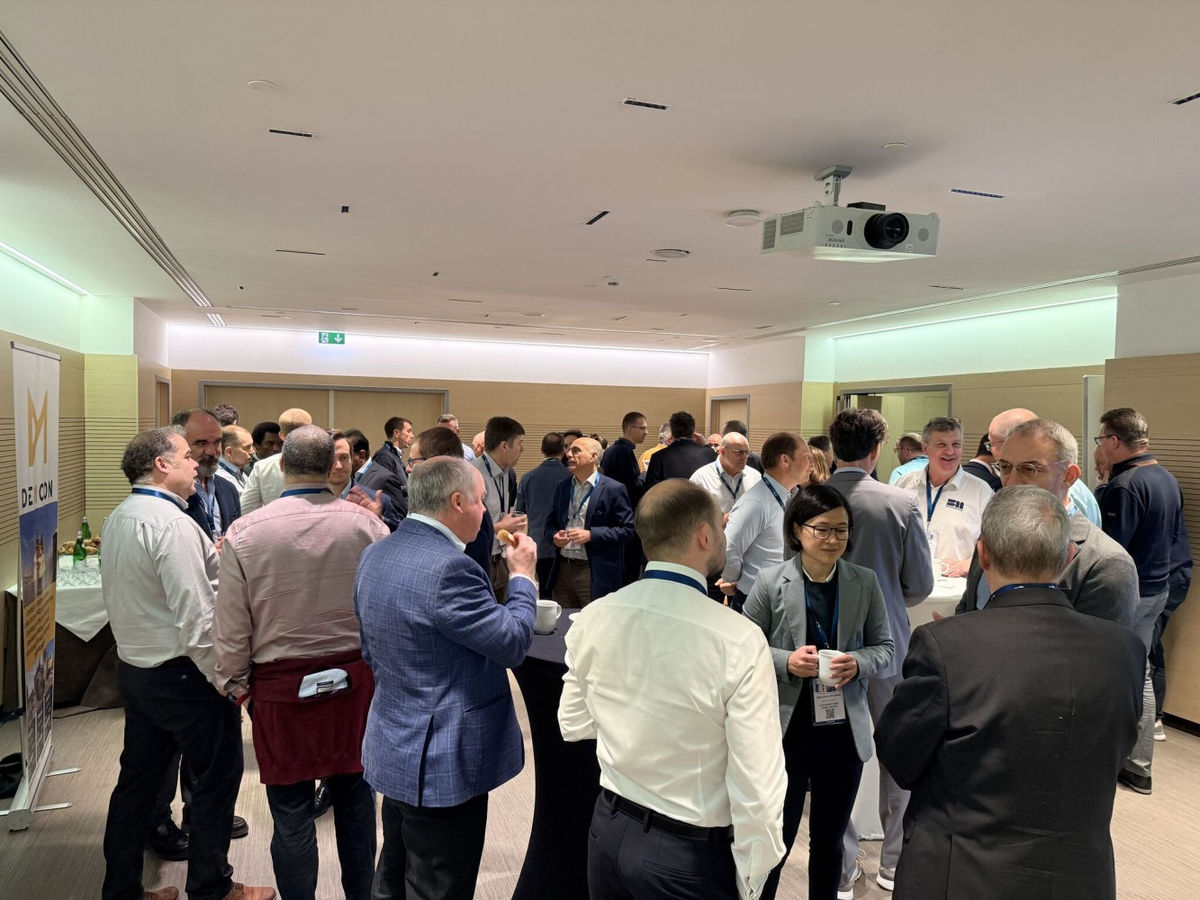
The forum concluded with rich networking opportunities, including an evening reception sponsored by AVENIR DECONSTRUCTION and numerous informal conversations during conference breaks.
The diversity of participants from Belgium, France, Germany, Italy, Portugal, and the United Kingdom enabled a truly pan-European dialogue on the challenges and opportunities facing the industry.
As the forum ended with Chairman Ramulu's closing remarks, it became clear that while decommissioning and demolition are often considered the final phase in industrial life, they actually represent a critical link in the cycle of industrial renewal.
By sharing expertise, embracing innovative technologies, and adhering to strict safety and environmental standards, conference participants demonstrated how decommissioning can become a catalyst for positive change and sustainable development in the era of energy transition and circular economy.
Article by TBM Group
Follow TBM Group and join them at their future events as they continue to drive impactful discussions, foster collaboration, and shape the future of decommissioning and demolition across Europe and beyond.


